

Beginning Sounds
One of the most exciting stage of reading readiness is the transition from phonemic awareness to phonics. Phonemic awareness refers to the children’s ability to identify and manipulate sounds in spoken words. This includes blending sounds into words, segmenting (cat is segmented into /c/ /a/ /t/), and deleting sounds to make another word. Once they start becoming comfortable and confident in this skill, it is time to introduce phonics. Phonics help children understand the relationship between letters of the written language and the sounds of the spoken language. The common way to teach phonics is to help children understand letter-sound correspondence (i.e. the sound /n/ is represented by the letter n).
Here are some activities that focus on beginning sounds. I used them as an independent activity to review the letters we have previously learned in class.
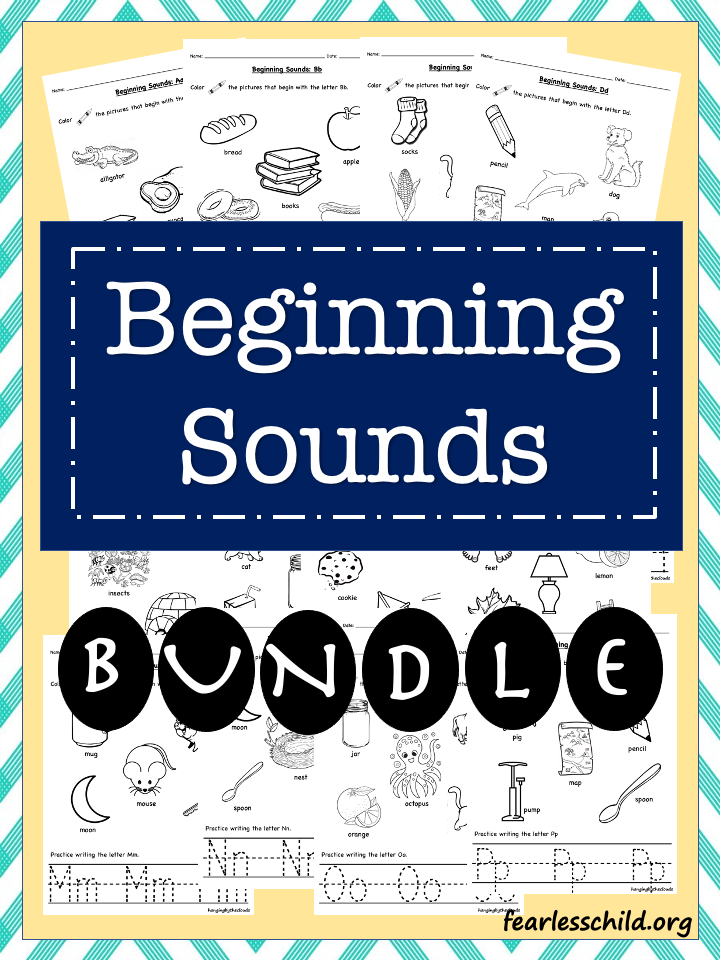
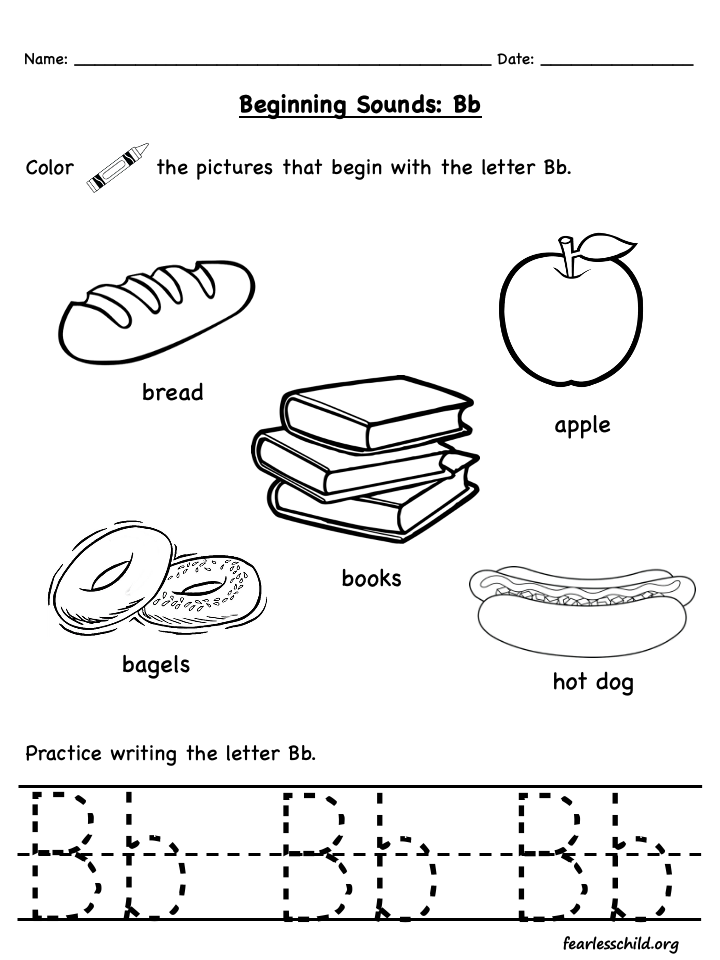
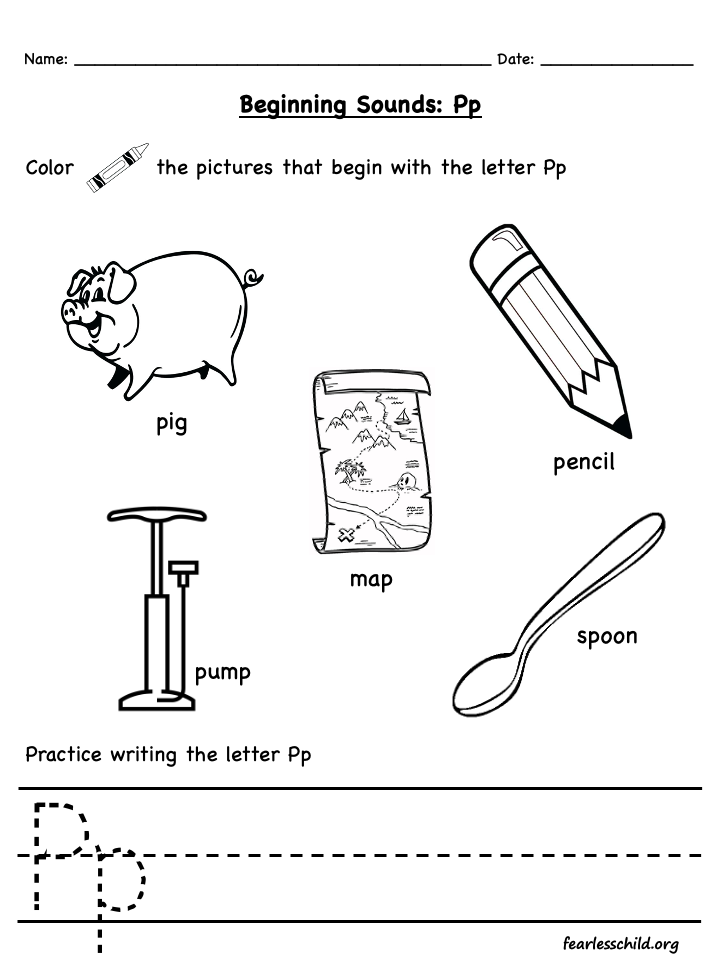
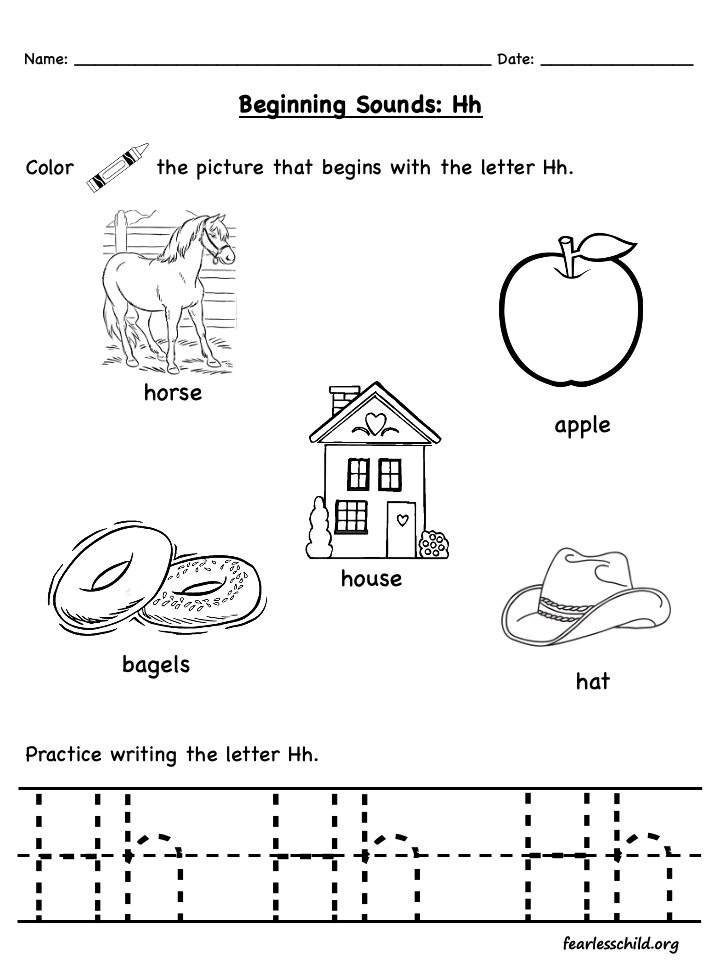
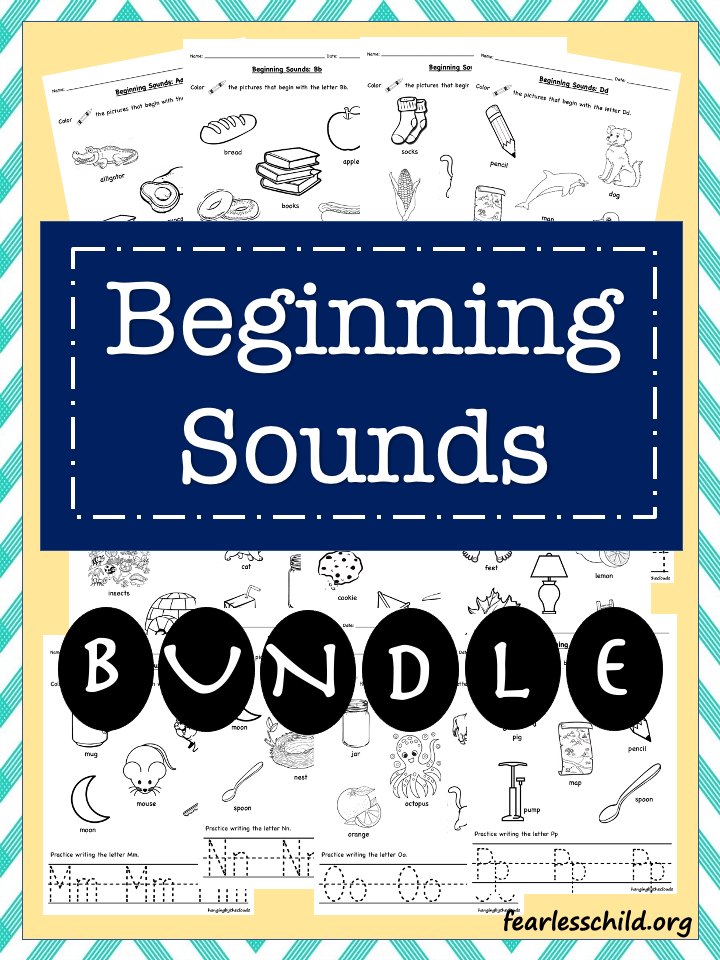
A great phonics practice to help your students recognize beginning sounds. This bundle helps your students identify words with the given beginning letter; as well as practice writing the capital and lowercase forms of each letter.