

Learning Through Play
Let’s Talk About Play
When I was teaching kindergarten, mentioning the word play becomes taboo when it does not come with an in-depth explanation of its connection to the standards. Allowing children to play is only okay when you can properly define how it is meaningful into attaining the educational standards for the children’s age-group. While I do agree that sometimes play needs to be structured to better support children’s development, there is also great value in letting children engage in unstructured play.
Decades of research had already told us that play is a developmentally appropriate way to promote learning. Children-initiated play, which is mostly unstructured, allows children to own their learning experiences while developing their self-regulation, their language, and their socio-emotional competencies. So, if we really want our children to be better prepared for greater academic rigor, we need to place great value in building the foundation of their learning, let the children play!
How Does Play Support Children’s Development?
We cluster children’s development into different domains: physical (bodily growth and movement), cognitive (thinking and self-expression), social (engagement with others), and emotional (behavioral responses to different situations). When we provide children with the opportunity, avenue, and tools to play, we support them in learning something new, practicing what they already know, and integrating a new skill with their current skill. Here are some benefits for each domain:
Physical Development
Play that involves the children’s motor skills, such as running and hopping, provide children with the opportunity to enhance their ability to balance, turn, stop, bend, and transfer their weight.
Finger plays and other activities that involve children’s fine motor, such as lacing or picking up small pieces of paper from the ground, boosts their eye-hand coordination.
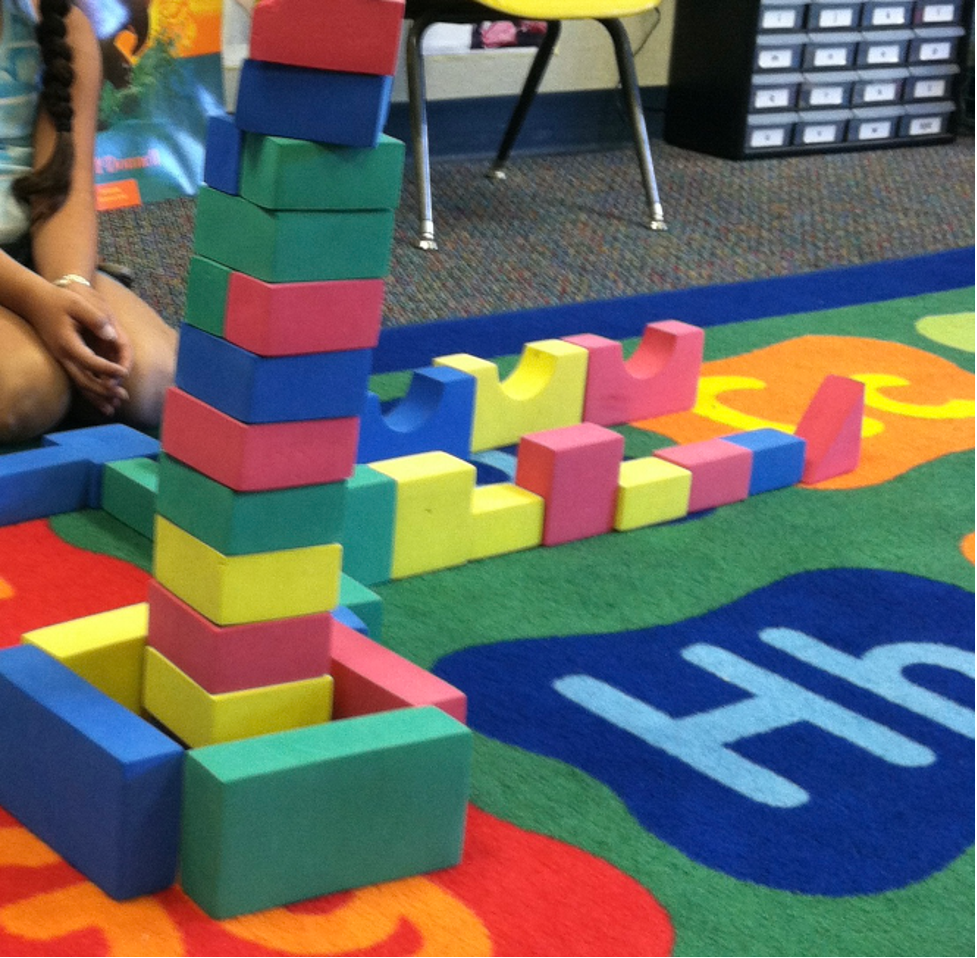
Games, such as dominoes or stacking sticks, help children gain a better understanding of cause and effect.
Cognitive Development
Playing games, such as a scavenger hunt, gives children the opportunity to explore and discover new things.
Playing with their parents, caregivers, and their friends, allow children to improve their language comprehension and vocabulary.
Play provides children with an avenue to learn and practice problem-solving skills.
Socio-Emotional Development
Play promotes children’s socialization and self-regulation.
When children play, they practice perspective-taking, communicating with others, and empathizing with others.
Play gives children an avenue to follow rules and work in cooperation with others to create rules.
What Do We Do Now?
Let the children play! Let’s encourage them to explore, try new things, and ask questions. And finally, let’s always be present to help answer their questions, provide more information, or conduct researches and experiments together.